
Event
News
Ready to Apply?
Start here
About the Program
VIBRANT IN-PERSON RESIDENCIES
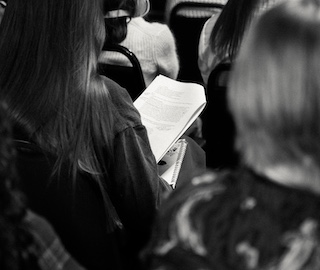
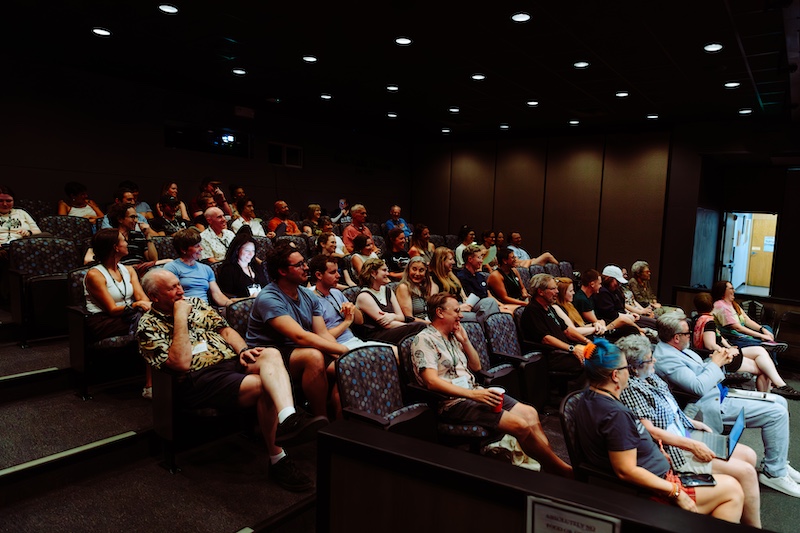
As a student in VCFA’s low-residency MFA programs, you convene with your program community twice a year for intense and vibrant nine-day residencies. These residencies kick off each semester and are packed with workshops, lectures, discussions, critiques, exhibitions, performances, and more. Between events, you have ample opportunity to engage with faculty over meals and have informal conversations that contribute to the richly personal experience of a VCFA residency. View highlights from our recent summer residency and winter residency.
ENGAGED VIRTUAL RESIDENCIES
In addition to our on-campus gatherings, VCFA also offers virtual residencies. These immersive online experiences feature the same richness of programming—workshops, lectures, panels, and readings—while fostering community through virtual social gatherings and informal meet-ups. Whether attending in person or online, students are fully integrated into the residency community, ensuring access to the same mentorship, craft conversations, and creative connections that define VCFA.
INDIVIDUALIZED MENTORSHIP & STUDY
Following the residency, over the next six months, you continue your studies back at home. Working one-on-one with a faculty advisor, you work from an individualized study plan tailored to your interests and goals. While students have different semester experiences, the level of rigor and attention to craft is consistent across all study plans. The low-residency mentorship model mirrors the lives of professional working artists and is ideal for developing each student’s distinctive voice.
Key Information
Read More
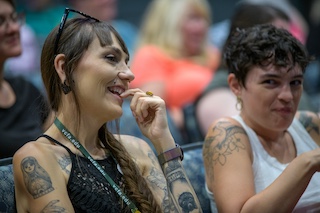
How will your VCFA experience change you?
Read more
Limitless Possibilities, Boundless Opportunities
Explore
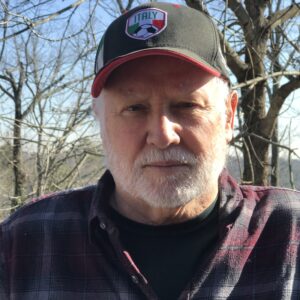
I have a full-time job, which means a full-time responsibility, and yet I've been able to find the space to do my craft.
Diego Antoni
| 2023
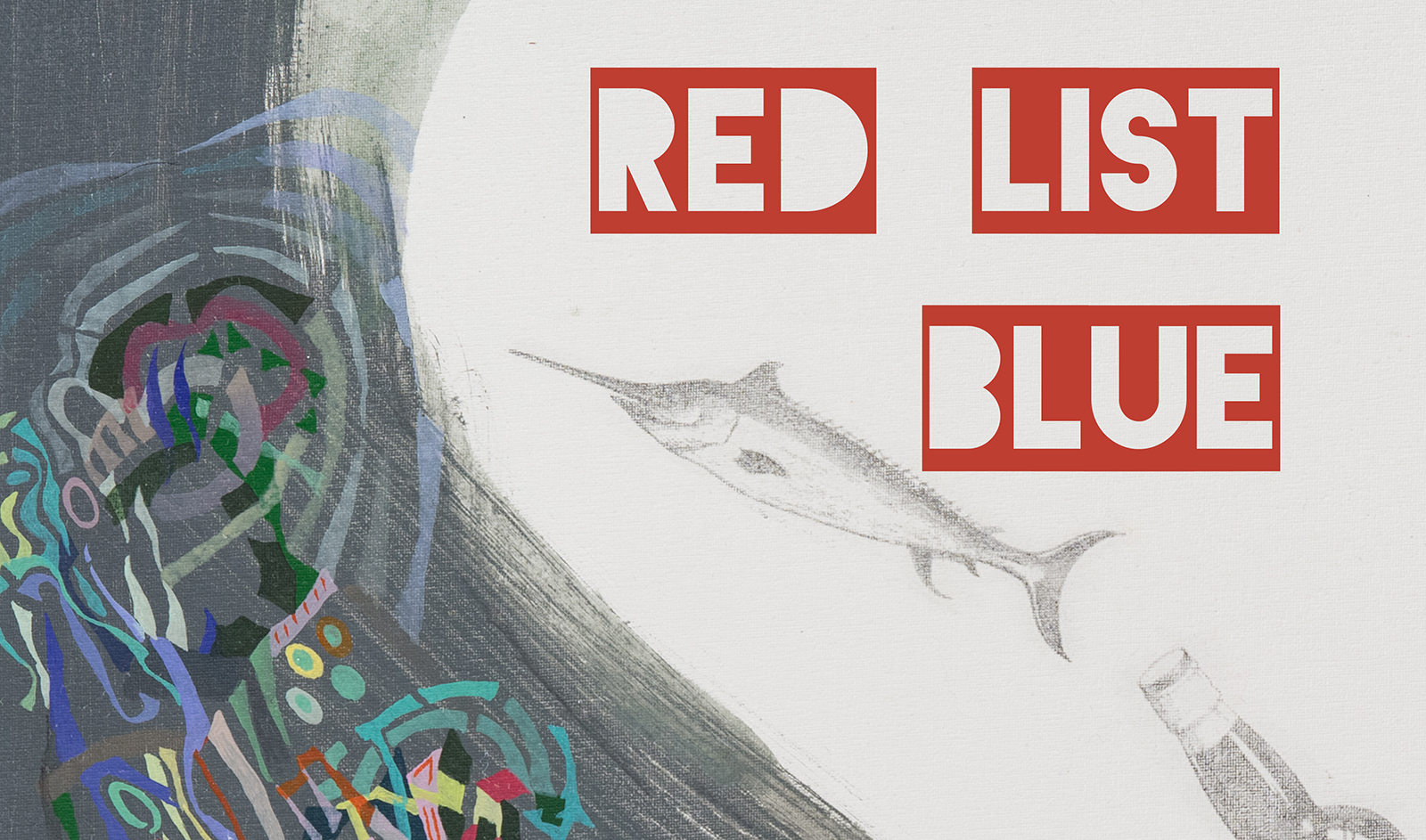
Program Work
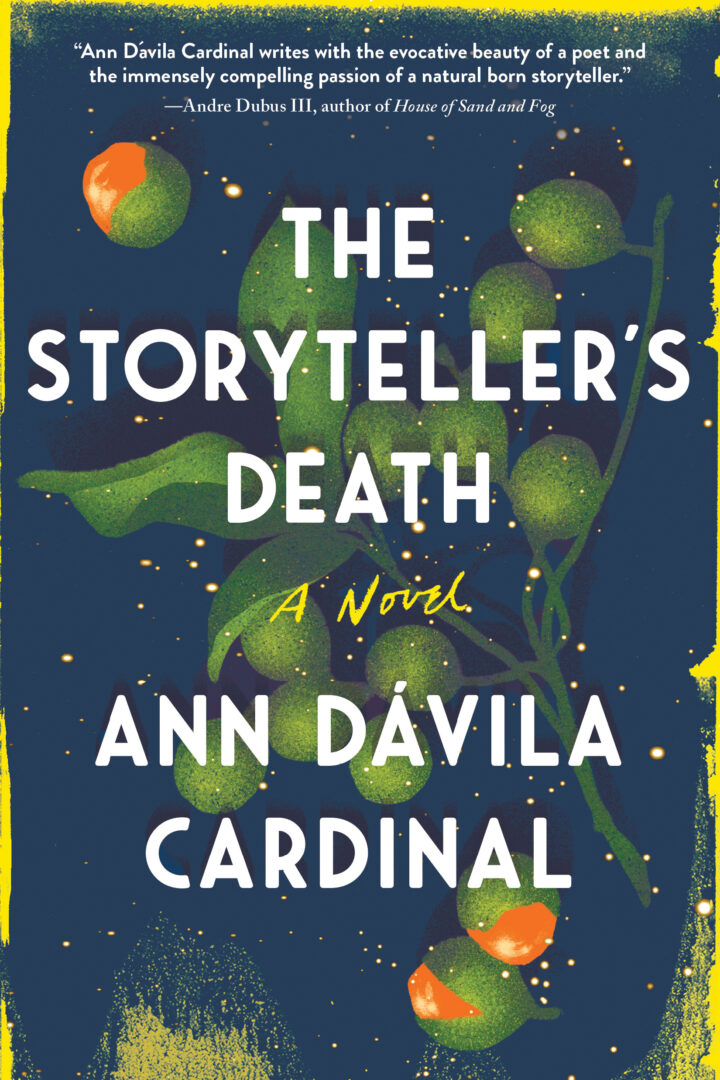
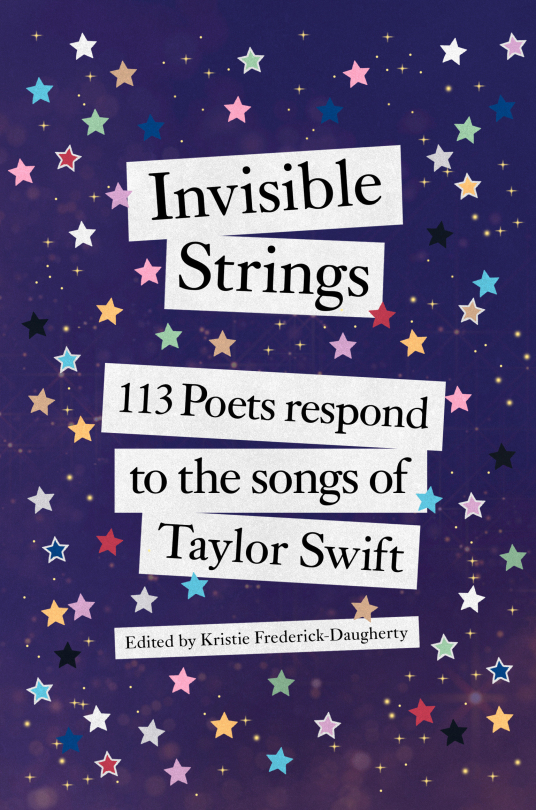
Our award-winning students and faculty push boundaries, break new ground and further cultural conversation with their work. Prepare to be inspired.
View All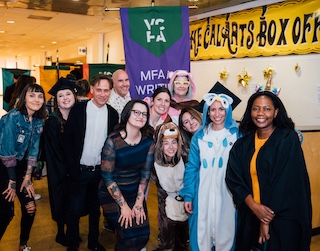
Residency
Experience VCFA’s low-residency model VCFA’s academic calendar is divided into two semesters per year: a summer and winter semester respectively. Each semester begins with a nine-day residency that provides a vibrant whirlwind of workshops, lectures, panels, discussions, and readings. Students, faculty, and visiting writers come together to connect and collaborate.
Explore
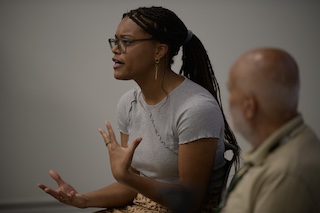
Mentorship & Individualized Study
Following each residency, students return home and devote at least 25 hours per week to their studies. Our 5:1 student-faculty ratio maximizes individual attention and fosters close relationships.
Explore the Writing Residency
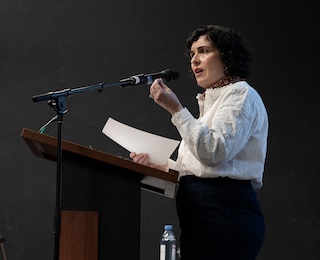
Explore, Experiment, Expand
At VCFA, no matter which path you choose, exemplary writers, thinkers, and teachers will accompany you on your journey. And with opportunities to intern with our renowned literary magazine, "Hunger Mountain Review," you will gain professional publishing experience.
Explore Study Options
It's the best of worlds—the modern classroom and the age-old experience of apprenticeship—a serious, personal, and thrilling way to learn.
Betsy Sholl
| faculty, MFA in Writing
VCFA Stories
Our students, alumnx and faculty inspire us every day with their exhibitions, publications, screenings, performances, and teaching, bringing the magic of VCFA out into the world. Discover the amazing work of our WCYA community.
View All Writing Stories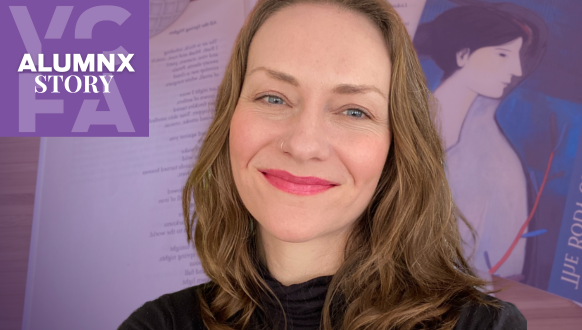
Rebecca Jamieson (WP '20): Real Writers Don’t Write Alone
A graduate of VCFA’s former MFA in Writing & Publishing program, writer, editor, and educator Rebecca Jamieson is a believer in the power of the...
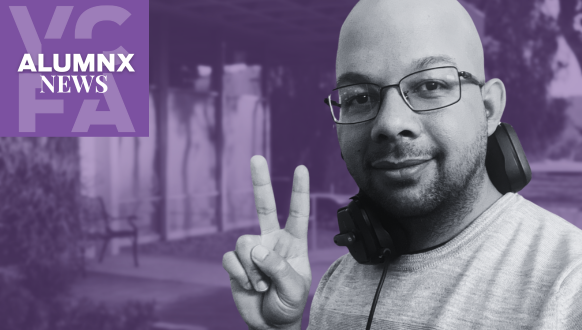
ALUMNX NEWS: brandon brown (W ’23) Receives PEN America Short Story Award
VCFA MFA in Writing alumnx and current VCFA MFA in Writing for Children & Young Adults Program Director brandon brown (W ’23) recently received a...
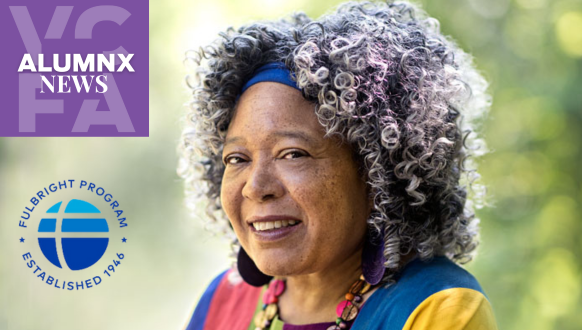
ALUMNX NEWS: Dr. Claudia Ford (W ‘20) Receives Fulbright Scholarship
VCFA MFA in Writing alumnx Dr. Claudia Ford (W ‘20) was awarded in early 2024 a Fulbright Scholar award from the distinguished Fulbright U.S. Scholar...
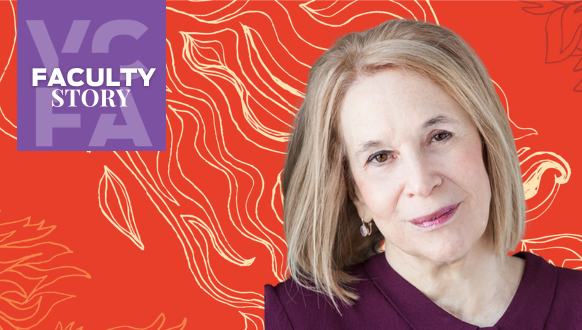
FACULTY STORY: Sue William Silverman
MFA in Writing faculty Sue William Silverman talks about her unique approach to graduate education and her recently published novel Acetylene Torch Songs.
Literary Journal
Hunger Mountain Review is an annual print journal of the arts, housed at VCFA. We publish fiction, poetry, creative nonfiction, visual art, graphic design, young adult/children’s writing, and literary miscellany.
Writing News & Events
Event
News
Writing Alumnx Reading Series
The virtual Writing Alumnx Reading Series continues this semester with events on Thursday evenings once a month via Zoom. In collaboration with a collection of...
Event
News
VCFA Info Sessions
Join us to learn more about our low residency MFA programs and the application process. In this session we will discuss: Overview of VCFA programs...
Ready to apply?
We're here to help!
Our Admissions team is ready to help you begin your journey! Connect with us at our [email protected] to get started or click the link below to get started.